
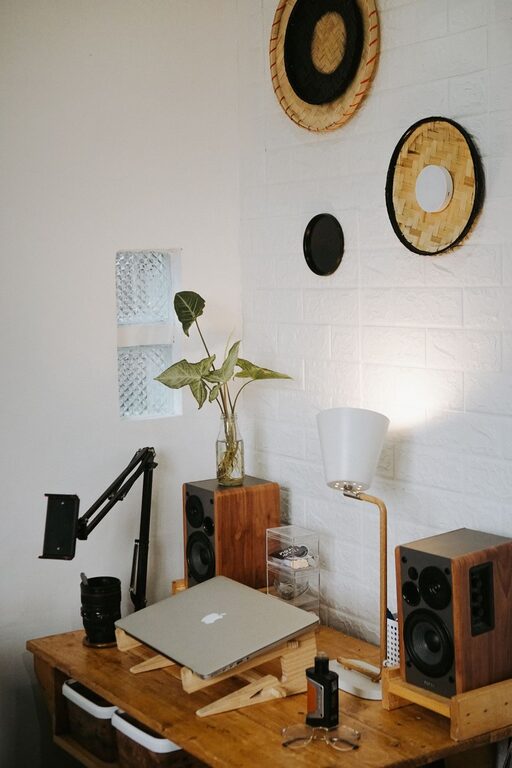
Creating a home office that feels both cozy and functional can greatly improve your work-from-home experience. Whether you’re setting up a space for remote work, freelancing, or managing household tasks, a well-designed home office promotes focus and comfort. In this guide, you’ll find practical tips to help you design a space that suits your needs and style.
Why a Cozy and Functional Home Office Matters
A comfortable workspace can positively impact your mood, productivity, and overall well-being. When your home office is both inviting and efficient, it reduces distractions and keeps you motivated throughout the day. Striking the right balance between coziness and functionality allows you to stay organized while enjoying a pleasant environment.
Choosing the Right Location
Consider Natural Light
If possible, pick a spot near a window. Natural light brightens the room and can boost your energy and alertness. Avoid direct glare on your computer screen by positioning your desk perpendicular to the window.
Minimize Noise and Distractions
Choose a quiet corner or a room where noise is minimal. This helps you maintain focus and keep work-related calls clear. If noise is unavoidable, consider adding sound-absorbing materials like rugs, curtains, or acoustic panels.
Essential Furniture for Comfort and Efficiency
Invest in an Ergonomic Chair
Comfortable seating is key to avoiding back and neck pain during long hours. Opt for an ergonomic office chair that supports your posture. Adjustable height and lumbar support are valuable features.
Select a Functional Desk
Your desk should offer enough surface area for your computer, paperwork, and any accessories. Consider desks with built-in storage or shelves to keep essentials within easy reach but off your workspace.
Add Extra Seating if Space Allows
If you sometimes meet with clients or collaborators at home, a small guest chair or loveseat can be practical and inviting.
Smart Storage Solutions
Clutter can disrupt your workflow and stress you out. Having organized storage options helps keep your home office neat and functional.
Use Shelves and Cabinets
Wall-mounted shelves save floor space and provide storage for books, files, or decorative items. Cabinets with doors can hide clutter for a cleaner look.
Employ Drawer Organizers and Containers
Keep supplies like pens, paper clips, and sticky notes in organizers within your desk drawers. Clear containers make it easy to find what you need.
Lighting for Both Task and Ambiance
Combine Overhead and Task Lighting
Good lighting reduces eye strain. Use an overhead light for general illumination and a desk lamp for focused tasks.
Choose Warm Light Bulbs
Warm or soft white bulbs create a cozy atmosphere, making your workspace inviting during early mornings or late evenings.
Personalize Your Space
Adding personal touches can make your office feel uniquely yours.
Incorporate Plants
Indoor plants improve air quality and add a calming natural touch. Low-maintenance plants like snake plants or pothos work well indoors.
Display Meaningful Artwork or Photos
Visual elements that inspire or relax you enhance your connection to the space.
Use Cozy Textiles
A soft area rug, colorful cushions, or a throw blanket add warmth and comfort.
Organize Your Tech Wisely
Manage Cables
Use cable clips, sleeves, or boxes to keep cords untangled and off your floor.
Position Devices for Efficiency
Place frequently used items like your printer, phone, or tablet within arm’s reach to avoid unnecessary movement.
Ensure Strong Internet Connection
If your home office is reliant on video calls or cloud work, make sure your Wi-Fi signal is strong where you set up.
Maintain Boundaries Between Work and Home Life
When your office is part of your home, it’s important to set clear boundaries to maintain a work-life balance.
Define Your Work Hours
Stick to a schedule that fits your lifestyle and not working beyond it.
Keep the Space Dedicated to Work
Avoid using your workspace for unrelated household activities to mentally separate work time.
Final Thoughts
Designing a home office that combines coziness with functionality doesn’t require a complete renovation. Small improvements like optimizing lighting, investing in comfortable furniture, and adding personal touches can transform your workday experience. By following these tips, you can create a home office that supports your productivity while making you look forward to your work hours.
