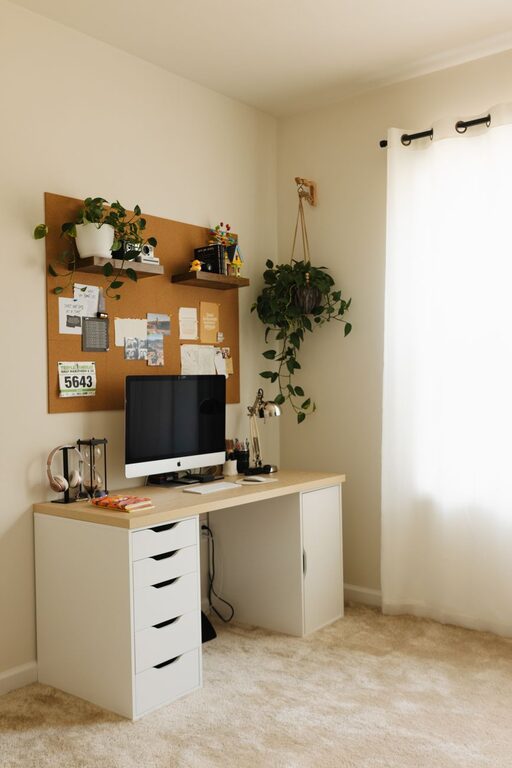

Creating a productive home office environment is essential for anyone working remotely or managing tasks from home. A well-designed workspace can improve focus, reduce distractions, and increase overall job satisfaction. Whether you have a dedicated room or a small corner in your living space, there are simple strategies you can use to make your home office both functional and inviting.
Choose the Right Location
Finding the ideal spot for your home office is the first step toward productivity. Here are some factors to consider:
– Natural Light: Pick a space near a window if possible. Natural light improves mood and reduces eye strain.
– Quiet Area: Select a spot away from household noise and traffic to help maintain concentration.
– Space for Essentials: Make sure there’s enough room for your desk, chair, computer, and storage.
If space is limited, consider using a room divider or noise-canceling headphones to create a sense of separation.
Invest in Ergonomic Furniture
Comfort plays a big role in your productivity. Ergonomic furniture supports proper posture and reduces fatigue.
– Ergonomic Chair: Look for adjustable height, lumbar support, and comfortable padding.
– Desk Height: Your desk should allow your elbows to rest at about a 90-degree angle.
– Monitor Position: The top of your computer screen should be at or slightly below eye level.
Taking the time to set up a comfortable workstation can prevent physical strain, allowing you to work longer and more efficiently.
Organize Your Workspace
Clutter can be a major distraction. Keeping your home office tidy and organized helps clear your mind.
– Use Storage Solutions: Shelves, filing cabinets, and drawer organizers keep documents and supplies out of sight.
– Daily Clean-Up: Spend a few minutes at the end of each day arranging your desk.
– Cable Management: Use clips or sleeves to keep cords neat.
A clean workspace encourages focus and makes it easier to find what you need.
Optimize Lighting
Proper lighting reduces eye strain and enhances alertness.
– Combine Natural and Artificial Light: Use a desk lamp in addition to natural light for cloudy days or late work hours.
– Adjustable Lighting: Select lamps with adjustable brightness or color temperature to suit different tasks.
– Avoid Glare: Position your screen and light sources to minimize reflections.
Good lighting is crucial for comfort and can positively affect your productivity.
Minimize Distractions
Working from home comes with unique challenges. Controlling distractions helps maintain your workflow.
– Set Boundaries: Communicate your work hours to family or roommates.
– Use Apps: Consider productivity tools that block distracting websites.
– Designate a Work-Only Space: Keeping work confined to one area signals your brain to focus.
By proactively managing distractions, you can create an environment conducive to sustained concentration.
Personalize Your Space
Adding personal touches makes your home office more enjoyable and motivating.
– Decorations: Include artwork, plants, or items that inspire you.
– Comfort Items: Keep a water bottle, cozy blanket, or stress ball nearby.
– Color Scheme: Choose calming or energizing colors that suit your work style.
A personalized space can make working from home feel less isolated and more uplifting.
Establish Healthy Habits
Your environment works best when paired with good daily habits.
– Take Regular Breaks: Follow techniques like the Pomodoro method to work in focused intervals.
– Stay Active: Stretch or walk around to reduce stiffness.
– Maintain Work Hours: Define a clear start and finish time to keep work-life balance.
Integrating these habits complements your workspace setup to enhance productivity and well-being.
Technology and Connectivity
Reliable technology is critical for a smooth home office experience.
– Stable Internet: Invest in a good internet service or use a wired connection if possible.
– Necessary Equipment: Ensure you have the right tools, such as a printer, webcam, or external monitors.
– Backup Plans: Use cloud storage and regularly save your work to prevent data loss.
Being prepared with reliable technology helps avoid disruptions and keeps your workflow steady.
—
Creating an effective home office environment takes some thought and effort, but the benefits to your productivity and comfort are well worth it. By selecting the right space, investing in ergonomic furniture, staying organized, and cultivating healthy work habits, you’ll set yourself up for success while working from home. Start small and adjust as you discover what works best for you, transforming your home office into a productive and pleasant place to work.

Related Posts