
Creating a productive home office environment is essential for anyone working remotely or managing tasks from home. A well-designed workspace can improve focus, reduce distractions, and make your workday more enjoyable. Here are some practical tips to help you create a home office that supports productivity and work-life balance.
Choose the Right Location
Finding the right spot for your home office is the first step toward a productive workspace. Ideally, select a quiet area away from high-traffic zones such as the kitchen or living room. This separation helps create a mental boundary between work and relaxation spaces.
If space is limited, try to carve out a dedicated nook or use a room divider to signal a work area. Natural light is a bonus, as it can enhance mood and energy levels throughout the day.
Invest in Ergonomic Furniture
Comfort plays a big role in productivity. Investing in ergonomic furniture can prevent discomfort and long-term health issues.
– Chair: Choose a chair with adjustable height, lumbar support, and comfortable cushioning.
– Desk: Opt for a desk at the right height to allow proper posture; adjustable desks that can convert to standing desks offer flexibility.
– Accessories: Consider a footrest, wrist supports, or monitor stands to improve alignment and reduce strain.
Proper ergonomics help you stay focused and reduce physical fatigue.
Organize Your Workspace
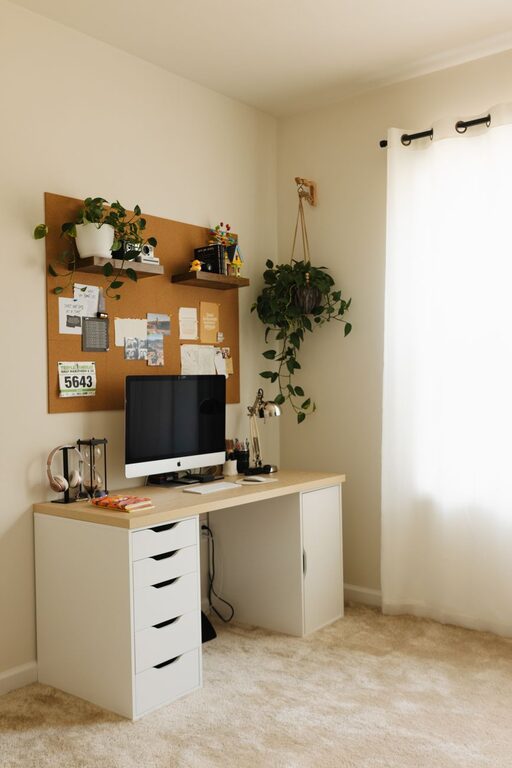
A cluttered space often leads to a cluttered mind. Keeping your desk organized makes it easier to find what you need and keeps distractions at bay.
– Use organizers, trays, or drawer dividers to store stationery and office supplies.
– Keep only essential items on your desk surface.
– Set up cable management solutions to avoid tangled cords.
– Use shelves or filing cabinets to keep paperwork and books neatly stored.
Regularly tidying your workspace can boost your mental clarity and efficiency.
Optimize Lighting
Good lighting reduces eye strain and can positively affect your mood.
– Utilize natural light as much as possible by positioning your desk near windows.
– Use adjustable task lighting such as a desk lamp to illuminate your work area.
– Opt for light bulbs that mimic daylight (around 5000K) to keep you alert.
– Avoid glare on screens by positioning lighting carefully.
Proper lighting setups reduce fatigue and improve focus.
Minimize Noise and Distractions
Noise and interruptions can disrupt your workflow. Try these strategies to create a quieter workspace:
– Use noise-cancelling headphones or white noise machines to block out background sounds.
– Inform family members or roommates of your work schedule to reduce disturbances.
– Set clear boundaries for work time versus personal time.
Limiting distractions allows for longer periods of deep work and higher productivity.
Incorporate Plants and Personal Touches
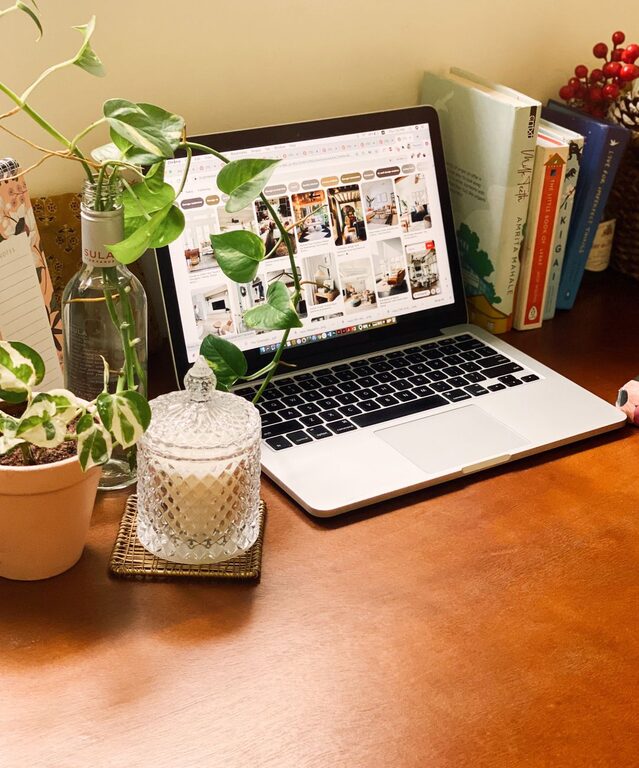
Adding plants and personal touches can make your workspace more inviting and reduce stress.
– Houseplants improve air quality and bring a bit of nature indoors.
– Personal photos, artwork, or decor can make your office feel comfortable and motivating.
– Just be careful not to overdo it; too many items can clutter the space.
A pleasant environment encourages creativity and helps you feel more connected to your work.
Establish a Routine
A productive office environment is supported by a consistent routine.
– Set regular work hours and stick to them to maintain balance.
– Take scheduled breaks to stretch and refresh your mind.
– Use tools like calendars or task lists to stay organized and focused.
– Start your day by preparing your workspace to signal the beginning of work.
Structure helps your brain transition into work mode and promotes efficient time management.
Use Technology Wisely
Technology is a powerful tool for productivity but can also be a source of distraction.
– Keep your software and hardware updated for smooth performance.
– Use apps to block distracting websites during work hours.
– Set notifications to “Do Not Disturb” mode when focusing on important tasks.
– Have reliable internet and backup solutions to minimize disruptions.
When managed well, technology supports your workflow and keeps you connected.
—
By applying these tips, you can create a home office environment that supports your productivity and well-being. Remember that small changes can make a big difference, so start with the adjustments that fit your lifestyle and needs best. Your home office should be a place where you can work comfortably and efficiently every day.

Related Posts