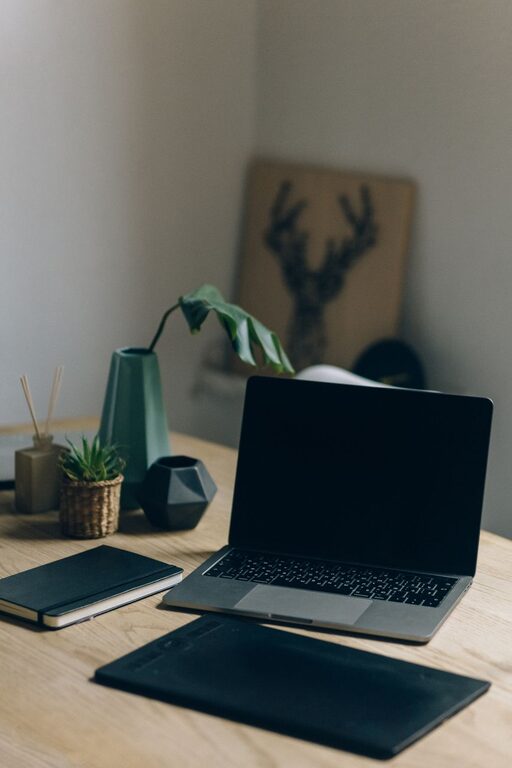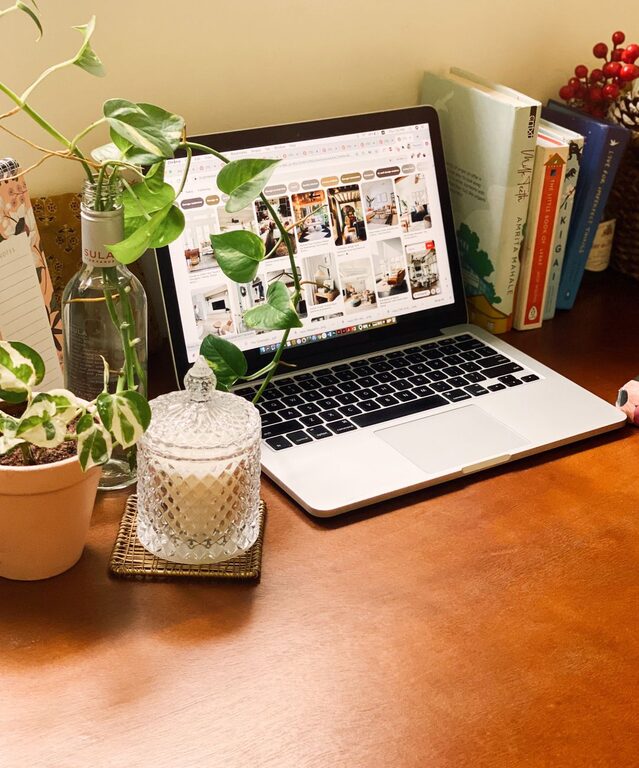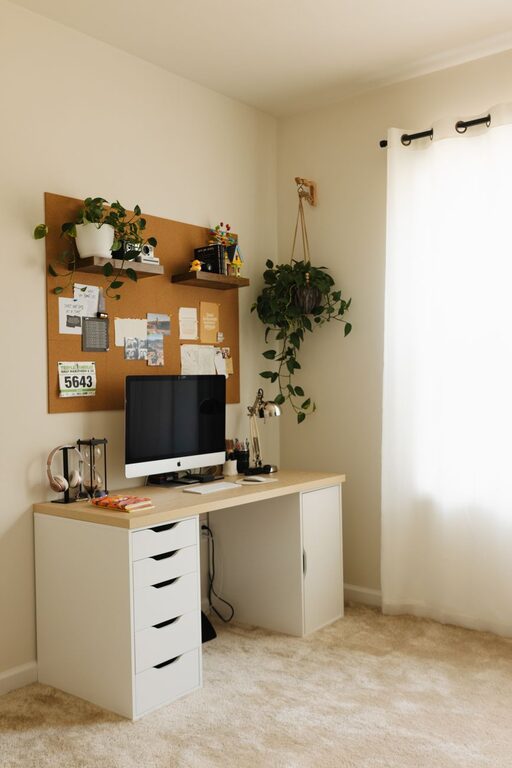

Creating a relaxing home office environment is essential for maintaining focus, reducing stress, and enhancing your overall work-from-home experience. Whether you’re working full-time remotely or occasionally from home, your workspace should promote calm and comfort while encouraging productivity. In this post, we’ll explore practical tips and ideas to help you design a home office that feels inviting, organized, and peaceful.
Why a Relaxing Home Office Matters
A comfortable and calming workspace can positively impact your mental well-being and efficiency. A disorganized or cluttered environment might cause distractions, increase stress, or even lead to burnout. On the other hand, a thoughtfully arranged office can improve focus, creativity, and motivation, making your workday feel more enjoyable.
1. Choose the Right Location
Finding the perfect spot for your home office is the first step. Ideally, your workspace should be:
– Separate from high-traffic areas: Pick a quiet corner or room where household activity won’t easily distract you.
– Near natural light: Position your desk close to a window to benefit from daylight, which can boost mood and energy.
– Well-ventilated: Fresh air contributes to alertness and comfort during long hours.
If space is limited, even a small nook or a section of your living room can be optimized with proper furniture and accessories.
2. Invest in Comfortable Furniture
Comfort is key to creating a relaxing home office. Consider:
– An ergonomic chair: Support your back to prevent discomfort and maintain good posture.
– A desk at the right height: Ensure your desk and chair combination allows your arms to rest comfortably while typing.
– Adjustable furniture: Sit-stand desks or adjustable chairs provide flexibility and help reduce physical strain.
Taking care of your physical comfort can lead to greater focus and less fatigue throughout the day.
3. Declutter and Organize Your Space
A cluttered workspace can increase stress and reduce efficiency. To keep your home office tidy:
– Use storage solutions like shelves, filing cabinets, or drawer organizers.
– Keep only the essentials on your desk to create a clean, spacious feel.
– Regularly sort through paperwork and digital files to avoid buildup.
Adopting good organization habits can simplify your routine and keep distractions at bay.
4. Choose Soothing Colors and Decor
Colors influence mood and energy. For a relaxing home office environment, consider:
– Soft, neutral tones: Shades of beige, light gray, or soft pastels create a calm backdrop.
– Nature-inspired colors: Greens and blues can promote relaxation and focus.
Decorate with personal touches that make you feel calm, such as framed artwork, inspiring quotes, or plants.
5. Incorporate Natural Elements
Bringing nature into your workspace can improve your mood and reduce stress levels. Some ideas include:
– Houseplants: Easy-care plants like succulents or pothos add greenery and help purify the air.
– Natural materials: Use wooden furniture or accessories to add warmth.
– Natural light: As mentioned earlier, maximize exposure to sunlight.
These elements help create a serene and inviting atmosphere.
6. Manage Lighting Effectively
Lighting affects your energy and focus. Aim for:
– Balanced light: Combine natural daylight with soft, ambient lighting.
– Task lighting: Use a desk lamp to illuminate specific work areas without causing glare.
– Adjustable lighting: Dimmable lights or lamps with different brightness levels let you customize the ambiance.
Good lighting reduces eye strain and sets a pleasant tone.
7. Minimize Noise and Distractions
A peaceful environment helps you concentrate. To reduce noise and distractions:
– Use noise-canceling headphones or white noise machines.
– Add rugs, curtains, or cushions that absorb sound.
– Communicate boundaries with household members during work hours.
Creating a quiet zone supports better focus and lessens interruptions.
8. Incorporate Personal Wellness Tips
Adding touches that support your well-being can enhance your home office environment:
– Keep a water bottle handy to stay hydrated.
– Schedule short breaks to stretch and move around.
– Use aromatherapy with calming scents like lavender or eucalyptus, if you enjoy it.
Taking care of yourself boosts productivity and makes your workspace a place you enjoy.
Final Thoughts
Designing a relaxing home office doesn’t require a complete overhaul—small, thoughtful changes can make a big difference. Prioritize comfort, organization, and calming aesthetics to create a space that supports your work and well-being. Experiment with these tips to find what works best for you, and enjoy a more peaceful and productive work-from-home experience.

Related Posts