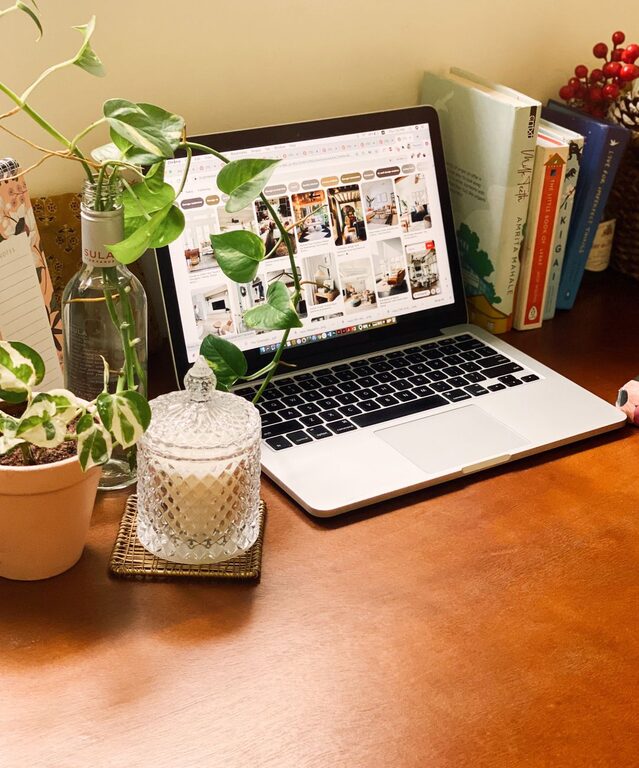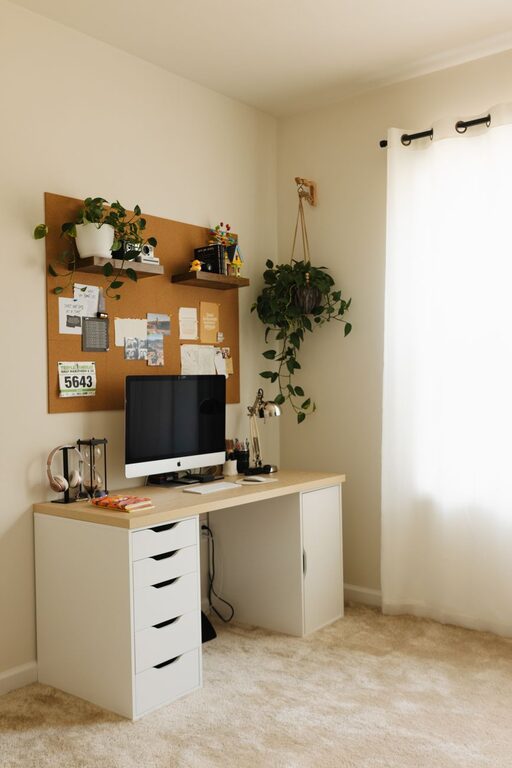

Creating a relaxing home workspace can significantly impact your productivity and overall well-being. When your work area feels calm and comfortable, it becomes easier to focus, reduce stress, and maintain motivation. Whether you’re working from home full-time or occasionally, setting up a space that supports relaxation and efficiency is essential. In this post, we’ll share practical tips to help you design a home workspace that promotes both comfort and productivity.
Why a Relaxing Workspace Matters
Before diving into design ideas, it’s important to understand why a relaxing workspace is beneficial. A cluttered or noisy environment can increase stress and lead to distractions. On the other hand, a peaceful setting helps your mind stay clear, encourages better concentration, and improves your mood. Over time, this can lead to better work performance and a more enjoyable daily routine.
Choose the Right Location
Find a Quiet Spot
Select a space in your home that is away from heavy foot traffic and distractions. A quiet corner or a spare room can often serve as the perfect spot. If possible, avoid working from the bedroom or couch, as this can blur the lines between relaxation and work.
Maximize Natural Light
Natural light helps regulate your body’s internal clock and can boost energy levels. Position your desk near a window if possible. If natural light is limited, consider full-spectrum bulbs that mimic daylight to brighten your workspace.
Set Up Comfortable Furniture
Invest in an Ergonomic Chair
Comfort is key for long hours at your desk. Choose an ergonomic chair that supports good posture, reduces strain on your back, and encourages movement. Adjust the height so your feet rest flat on the floor and your arms are at a comfortable level with your keyboard.
Opt for a Spacious Desk
A clutter-free area allows you to work efficiently and relax more easily. Pick a desk large enough to hold your necessary equipment while leaving extra space for writing or brainstorming.
Organize to Reduce Stress
Declutter Regularly
Keep your workspace tidy by removing unnecessary items daily. A clean desk reduces distractions and promotes a sense of calm.
Use Storage Solutions
Incorporate shelves, filing cabinets, or desk organizers to store papers, supplies, and gadgets. Label containers to make finding items quick and effortless.
Add Calming Elements to Your Space
Incorporate Plants
Indoor plants can improve air quality and bring a touch of nature indoors, which helps reduce stress. Choose low-maintenance plants like succulents or pothos to avoid extra care demands.
Choose Soothing Colors
Paint your workspace in soft, neutral tones like light blues, greens, or grays. These colors tend to have a calming effect and make the room inviting.
Use Gentle Lighting
Avoid harsh overhead lights. Instead, use desk lamps or floor lamps with warm, adjustable lighting to create a cozy atmosphere.
Minimize Noise Distractions
Soundproof When Possible
If noise is an issue, consider adding rugs, curtains, or acoustic panels to absorb sound. These elements can make the space quieter and more comfortable.
Use White Noise or Soft Music
Some people find white noise or gentle instrumental music helps maintain focus. Experiment to see what works best for your concentration.
Personalize Thoughtfully
Display Meaningful Items
Include a few personal touches like family photos, inspiring quotes, or artwork that makes you feel good. Avoid overcrowding to keep the space relaxing.
Scent and Air Quality
Consider using essential oil diffusers with calming scents such as lavender or eucalyptus. Ensure your workspace has good ventilation to keep the air fresh.
Establish Boundaries and Routine
Set Work Hours
Define your work hours to separate professional time from personal time. This helps your mind associate the workspace with focus and productivity.
Take Breaks
Regular breaks are vital for maintaining energy and preventing burnout. Step away from your workspace to stretch or take a short walk.
Maintain Digital Organization
Manage Notifications
Turn off non-essential notifications to reduce interruptions. Use tools like focus modes or do-not-disturb settings on your devices.
Organize Digital Files
Keep your computer desktop and files organized. A clutter-free digital environment contributes to overall mental clarity.
—
Creating a relaxing home workspace is about balancing comfort, functionality, and personalization. By following these tips, you can transform your work area into a peaceful, productive environment that supports your daily goals and well-being. Remember, small changes can make a big difference in how you feel and perform, so start with one or two adjustments and build from there.

Related Posts