
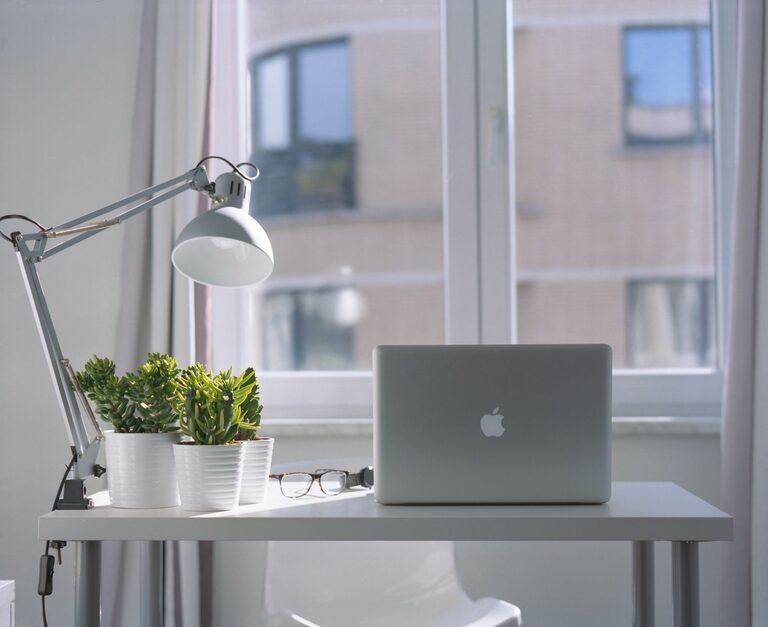
Creating a home workspace that is both sustainable and organized can significantly improve your productivity while reducing your environmental footprint. Whether you work remotely occasionally or have a full-time home office, designing an efficient, clutter-free, and eco-conscious area benefits your daily routine and the planet. This guide offers practical tips and ideas to help you set up a workspace that supports your work needs in a mindful way.
Why a Sustainable and Organized Workspace Matters
An organized workspace helps you focus, reduces stress, and saves time by making it easier to find what you need. Meanwhile, a sustainable approach minimizes waste, conserves resources, and promotes healthier habits. Combining both approaches leads to an environment that supports your well-being and efficiency long term.
Select Eco-Friendly Furniture and Equipment
Choose Durable and Recyclable Furniture
Invest in high-quality furniture designed to last. Opt for desks and chairs made from sustainable materials such as reclaimed wood or recycled metal. Avoid furnishings made with harmful plastics or finishes that emit volatile organic compounds (VOCs).
Look for secondhand or vintage pieces to reduce waste. Sites like local thrift stores, online marketplaces, and community swaps offer affordable, eco-friendly options.
Prioritize Energy-Efficient Electronics
Select computers, printers, and lighting fixtures that have energy-saving features. Look for the ENERGY STAR® label to identify products that consume less power without sacrificing performance.
Using a laptop instead of a desktop can also reduce energy use, since laptops generally require less electricity. Don’t forget to unplug devices or use smart power strips to prevent energy waste when items are not in use.
Organize with Sustainable and Minimalist Supplies
Use Reusable Organizers
Instead of single-use plastic trays or bins, consider organizers made from bamboo, metal, or recycled materials. These options are sturdy, stylish, and sustainable.
Containers like glass jars or cloth pouches can hold pens, paper clips, or small office essentials. Clear containers help you quickly see your supplies, reducing the likelihood of buying duplicates.
Limit Paper Usage
Make a habit of digital note-taking, organizing documents electronically, and printing only when necessary. Consider using a tablet or digital planner to manage appointments and to-do lists.
If you must print, choose recycled paper and set your printer to double-sided mode to reduce paper consumption.
Create a Clutter-Free Layout
Designate Zones for Specific Tasks
Divide your workspace into areas for different activities, such as computer work, reading, or crafting. This separation makes it easier to stay focused and keeps tools within reach without creating disorder.
Use shelves, baskets, or bins to group related items together and label them clearly. Clear labels help everyone in your household maintain order.
Declutter Regularly
Schedule a weekly or monthly review to tidy your workspace. Remove items that are no longer needed or replace disposable items with sustainable alternatives.
Keep only essential items on your desk and store everything else out of sight to maintain a clean, inviting area.
Incorporate Natural Elements and Improve Air Quality
Bring in Plants
Adding houseplants improves air quality and adds a touch of nature, which can boost mood and creativity. Low-maintenance options include spider plants, pothos, and snake plants.
If space is limited, consider small succulents or air plants that require minimal care.
Utilize Natural Light
Position your desk near a window to take advantage of natural daylight. This reduces the need for artificial lighting during the day and supports your circadian rhythm.
When additional lighting is necessary, use LED bulbs with adjustable brightness and warm tones for comfort.
Reduce Waste Through Mindful Habits
Adopt a Zero-Waste Mindset
Avoid disposable items like plastic cups or single-use wipes. Opt for a reusable water bottle, cloth napkins, and washable cleaning supplies.
Implement recycling and compost bins near your workspace to make responsible disposal convenient.
Repair Instead of Replace
If something breaks, like a chair wheel or a lamp, consider repairing it instead of discarding it. Many items can be fixed with simple tools or replacement parts, extending their lifespan.
Optimize Digital Organization
Declutter Your Digital Space
Keep your computer desktop and document folders organized. Delete unnecessary files regularly and back up important data to cloud storage or external drives.
Using productivity apps for task management can replace paper planners and reduce clutter.
Practice Good Cable Management
Use reusable cable ties, clips, or organizers to keep cords tidy and prevent tangling. This makes cleaning easier and reduces wear on cables.
Final Thoughts
Creating a sustainable and organized home workspace is a worthwhile investment in your productivity and well-being. By choosing eco-friendly materials, managing clutter thoughtfully, and adopting mindful habits, you build an inspiring environment that supports your work and the planet. Start with small changes and adjust your setup over time to find what works best for you.
Remember that an effective workspace reflects your personal style and needs—balance aesthetics with functionality to create a space you enjoy spending time in each day.
